Safe and accessible drinking water, sanitation, and hygiene (WASH) are fundamental to human health. Without them, disease spreads, poverty grows, and opportunity disappears.
When children are sick, they cannot go to school. When adults are sick, they cannot earn a living to provide for their families. In this way, contaminated water prevents families, communities, and entire regions from reaching their potential.

Lifewater Canada was founded by Jim Gehrels and Glenn Stronks on the certainty that all lives are of equal value in God’s eyes and must be in our eyes too. We envision a world where no one suffers from unsafe water, where girls have equal access to education, and everyone is treated with dignity.
In this heartfelt video, Lynda Gehrels, President of Lifewater Canada, shares the story behind our mission and why access to safe water is a cause that cannot wait. What began with a personal “aha” moment has grown into a sustainable grassroots movement—made possible by people like you. We invite you to watch and see how your support is saving lives!
Jim Gehrels was diagnosed with Retinitis Pigmentosa (RP) - a progressive degenerative eye disease that cannot be treated and eventually results in blindness. The seeds for Lifewater Canada were planted as he decided he could not wait until he retired to put his faith in action by reaching out to those in need.
Jim Gehrels and his friend Glenn Stronks shipped a small drill rig to Liberia and trained 12 local men to use it. They realized the men couldn't afford to stop working to drill wells for others. They were moved by the sight of children drinking from polluted street gutters and overwhelmed doctors treating preventable diseases. They could not leave until they ensured the drilling would continue.
Lifewater Canada was officially incorporated and registered as a Canadian charity. Lifewater Liberia Inc. was also formed as a local Liberian NGO to have better fiscal responsibility over the water program.
The 14-year civil war ended in Liberia leaving countless villages destroyed and the local drill team overwhelmed with requests for help. The team drilled its 100th well and their production doubled year over year.
Liberia celebrated their 200th well and Vision TV sent a film crew, producing a half hour documentary about Lifewater’s work in Liberia. A second drill team with a larger hydraulic rig is created to operate in hard rock that could not be drilled before.
The head driller in Kenya was wounded by bandits and the Nigerian drill rig was severely damaged in a Boko Haram attack. Jim and Lynda Gehrels self-funded a move to Haiti to grow the program there. Used army trucks and two drill rigs were brought in and 12 local men were trained to drill and repair wells.
Hurricane Matthew devastated Haiti, requiring massive repairs to their compound and equipment. Rainwater harvesting was trialed in Kenya. The University of Liberia claimed and took ownership of the Lifewater compound but an agreement was reached to allow their work to continue.
After Jim Gehrels' sudden passing from a heart attack, Lynda Gehrels became President, but as a full-time, unpaid volunteer. The board hired two part-time employees to continue Jim's work. The COVID-19 pandemic hit, requiring remote work, enabling new hires from across Canada.
A second team in Liberia was launched with a focus on health and hygiene training and pump repairs, coordinating their efforts with the original drilling team in Liberia to maximize the efficiencies of both partners. The unprecedented growth continued with over 3,660 projects and 1,350,000 beneficiaries.
Jim met a Liberian pastor who said it was pointless to talk about the love of God while children were dying because they didn't have safe drinking water. Jim was struck by the fundamental importance of water and pursued options for sharing his expertise as a hydrogeologist.
Jim and Glenn returned to Liberia only to learn that the group they were collaborating with was not using the funds as directed and rebels had looted their equipment.
Heavy fighting created uncertainty about Lifewater’s future work in Liberia. After receiving requests for assistance from many countries, Lifewater decided to help a group in Nigeria who had a drill rig but lacked funding and advanced training.
Seeing that safe water alone does not lead to health, Lifewater built their first latrine and introduced Health & Hygiene training in Liberia. Donations for water projects passed the $100,000 for the first time and Lifewater began sponsoring water projects in Kenya.
A large earthquake struck Haiti and Lifewater Canada provided emergency water and aid to Port au Prince. With the inpouring of volunteers, supplies and donations, Lifewater focused on drilling wells in underserviced towns in the Northern Plain.
The worst Ebola epidemic in history swept through West Africa but the Liberian team continued to operate and added Ebola education to their hygiene workshops. Institutional sanitation projects continued, but village sanitation projects were suspended as they could be a source of infection if not stringently maintained.
The Haiti team constructed a new compound and Liberia was able to secure an alternate site for their operations. Tragically, the team in Nigeria was dissolved after the death of their primary coordinator and a lack of leadership and organization to fuel them forward.
Lifewater Nigeria was relaunched with a new team, and two more partnerships were established in Kenya. Lifewater experienced unprecedented growth with over 500,000 people benefitting from 960 projects.
Lifewater Canada celebrates 30 years since the drilling of the first well. A third team in Liberia is launched with a focus on reaching the rural communities of northern Liberia. After the success of a program in Kenya, Dignity Kits are launched in Liberia and Nigeria, providing washable sanitary pads to women and girls.
On Feb. 25, 2021, the Governor General of Canada awarded a Meritorious Service Decoration — an honour bestowed to “individuals who have performed a deed or an activity in a highly professional manner, or at a very high standard that brings benefit or honour to Canada” — to Jim Gehrels and Glenn Stronks for co-founding Lifewater Canada. Read more.
Lifewater Canada has an independent governing board of directors, made up of people from diverse backgrounds and who pursue thorough deliberation and sound decision-making.
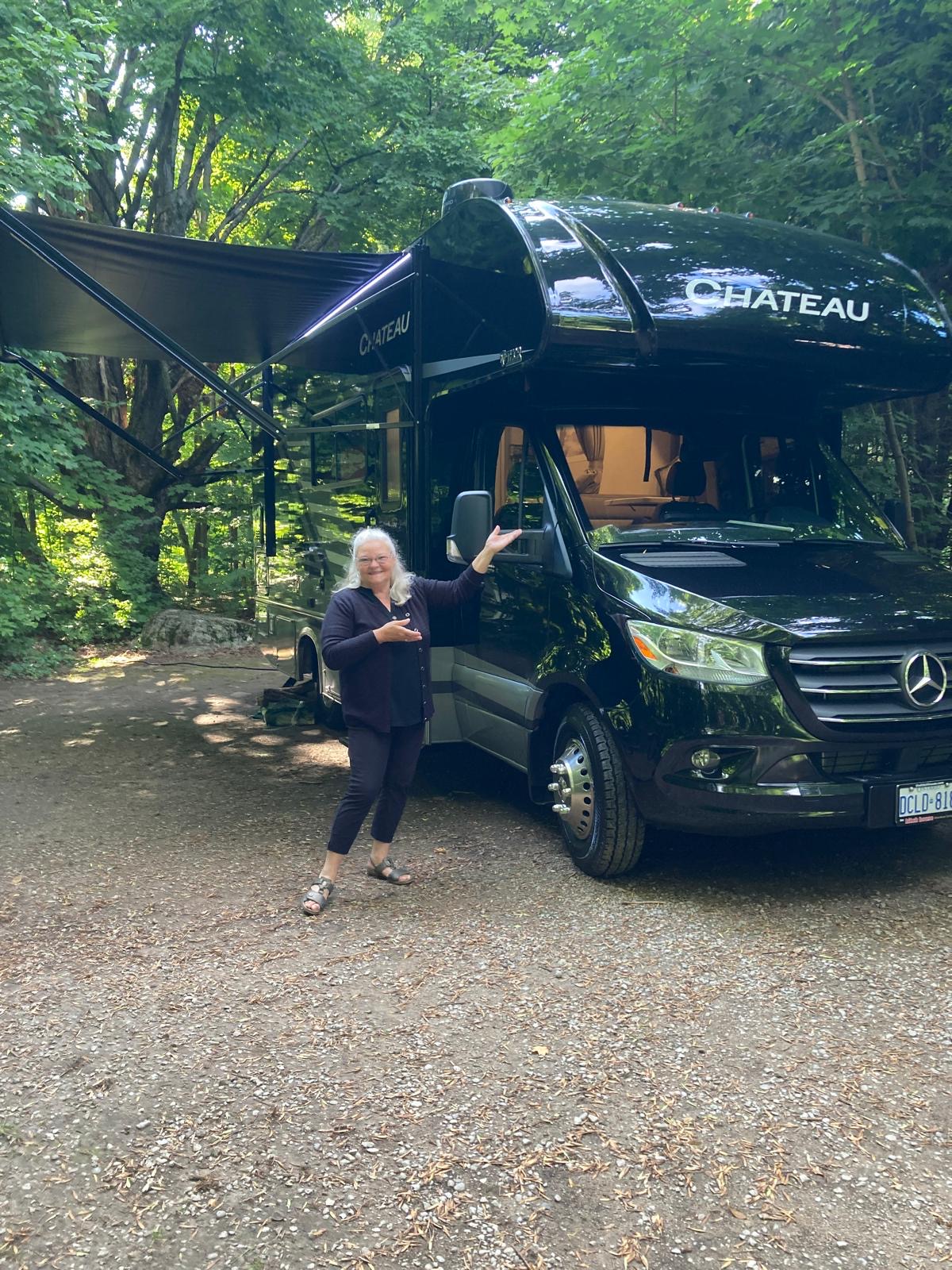
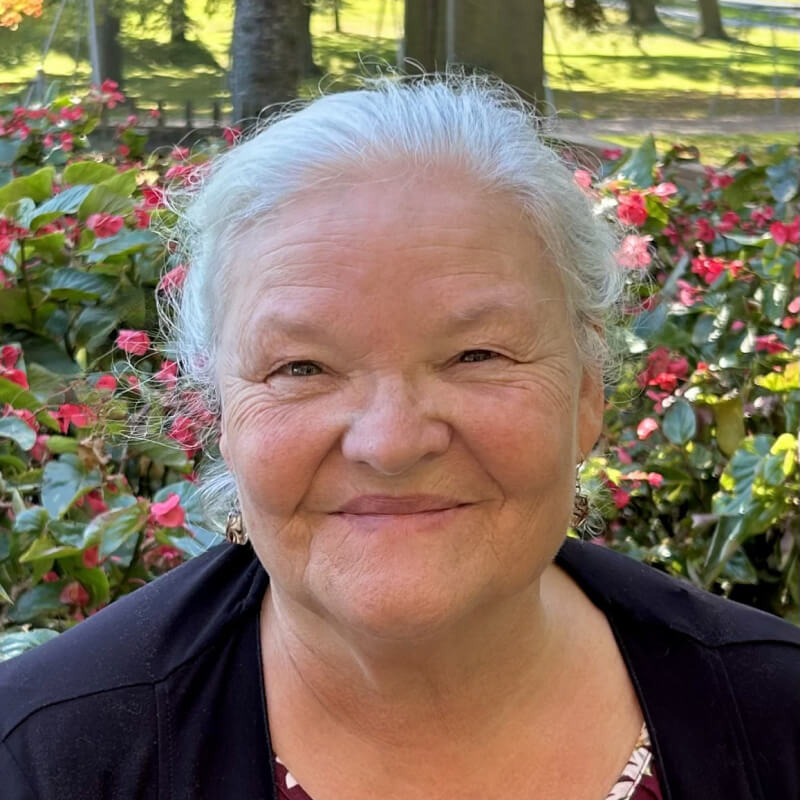
A retired nurse and long-time volunteer with Lifewater Canada, Lynda was well-prepared to become president and member of the board of directors in 2020. In the years since then, Lynda has recruited and helped train a domestic and international team that has overseen dramatic growth at Lifewater. Lynda enjoys gardening, kayaking, camping, and traveling to various parts of Canada to meet Lifewater donors and share examples of the life-saving impact their financial and prayer support is having.
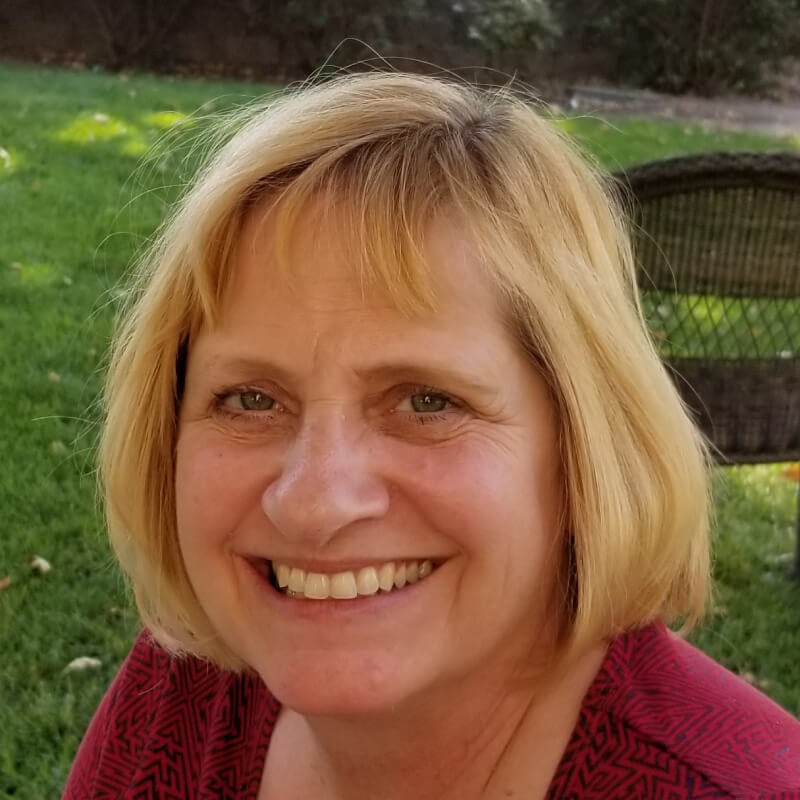
Cheryl Ann Hertan
Chair + U.S Rep
(Atascadero, CA)
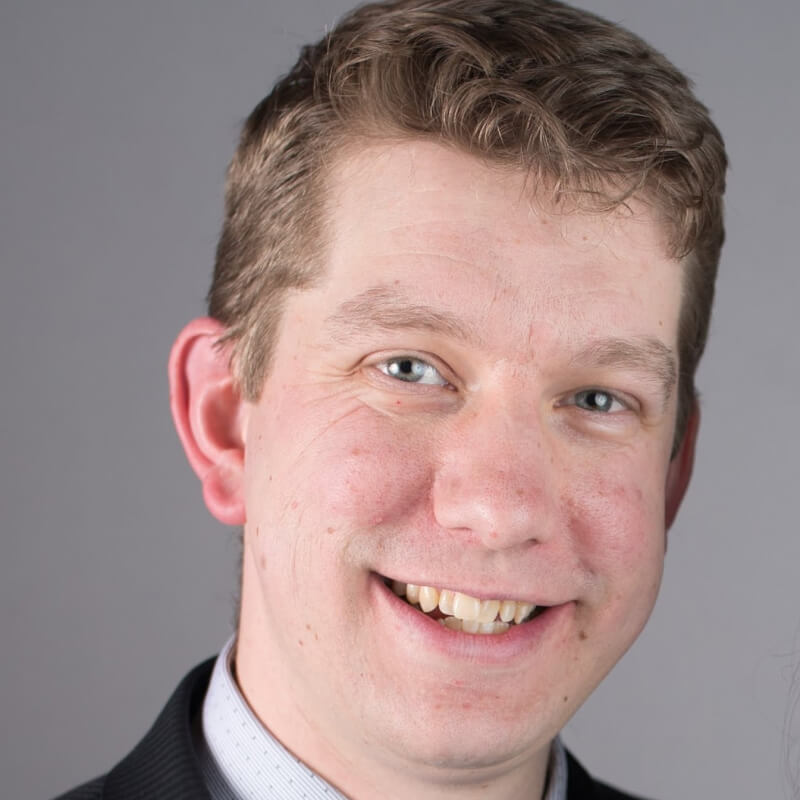
Jason Gehrels
Vice-Chair
(Cochrane, AB)
Lynda Gehrels
President
(Thunder Bay, ON)
Donald Heerema
Financial Controller
(Thunder Bay, ON)
Stan Denhoed
Board Member
(Moffat, ON)
Edwin Makkinga
Board Member
(Calgary, AB)
Harvey Pepneck
Board Member
(Vauxhall, AB)
Daniel Nickol
Vice-President + Director
(Coaldale, AB)
Sharlyn Nickol
Executive Administrator
(Coaldale, AB)
Shirley van Dyken
Financial Administrator
(Thunder Bay, ON)
Scott Chapman
Foundation + Grant Manager
(Coquitlam, BC)
Betty-Ann Reid
Fundraising + Donor Relations
(Bolton, ON)
Jeff Adams
Donor Relations
(Calgary, AB)
Coleton Nickol
Data Entry/ Analyst
(Coaldale, AB)
Michaela Traves
Social Media Coordinator
(Saskatoon, SK)
Jamie Staal
Creative Lead
(Edmonton, AB)